
Caring at the Limit

Martha Druery has run toward catastrophe for 30 years, supporting families through devastating injury and loss. As she worked to turn her hard-won insights into a movement to help carers sustain themselves, she discovered that courage, this time, meant listening to her own limits.
NOMINATION
Carolyn Betts (56) is the co-founder of Second50, a member-based community of Australian women exploring the “second half” of their lives and careers.
I did a little workshop when I first started Second50. A friend of mine came along, and when she found out what we were doing, she said, “You’ve got to meet my friend Martha”.
My friend had worked with Martha in the Burns Unit at Royal Brisbane Hospital, where she was the Specialist ICU and Burns Social Worker. “Martha’s got this idea she’s been talking about for years,” my friend said. “She’s just going to love Second50”
When I met Martha, I was drawn to her immediately.
She really cares for people. She seems compelled to help.
She shared her dream to spread what she called the Overflow system of self-care.
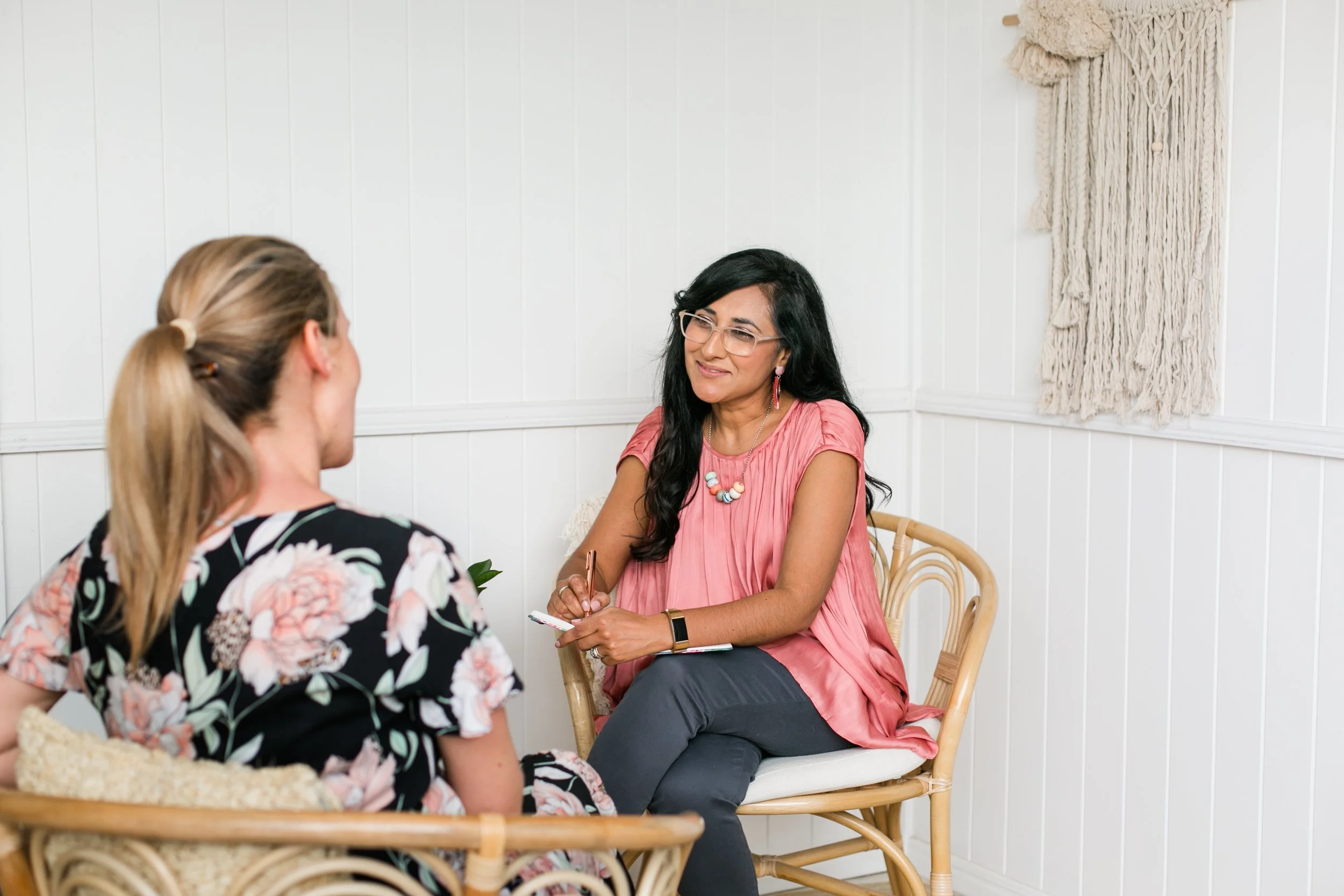
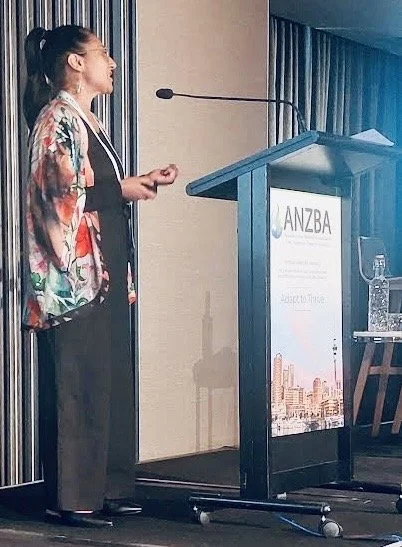
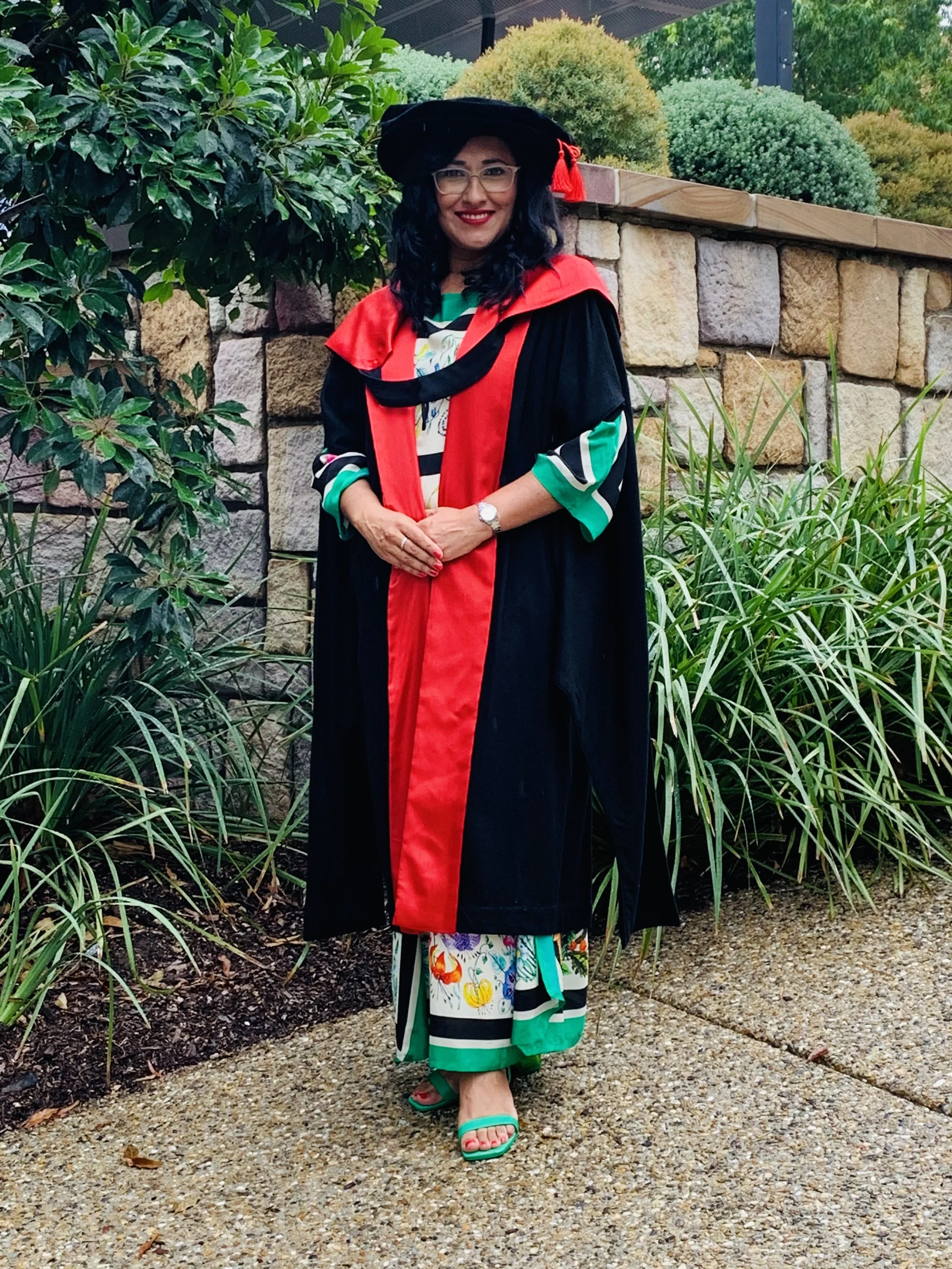
Martha now runs a full-time private practice in bereavement and traumatic injury therapy, has three degrees in psychology, social work and epidemiology, is raising a teenage son, does largely unpaid research projects in burns and trauma and is in constant demand to speak at conferences. She continually pushes herself to the limit to help others.
There was a shocking murder-suicide of a family in Brisbane a few years ago. Martha was already trying to juggle a business, a PhD and a family, but she kept saying yes to helping the injured first-responders, bystanders, ICU workers, court support staff... She kept putting her own needs to the bottom, until finally her body made her stop.
Then she realised that if she was going to continue to care for others, she needed to find a way to care for herself. Being Martha, the perfect A student, she started researching. She built herself a self-care system, and it worked. She brought the system to her community of health care workers, and it helped. She realised, “I can’t keep this to myself.”
She joined Second 50, saying, “This is what I want to do, and I don’t know how.” She’s been vulnerable, she’s listened, she’s been willing to ask for help, and she’s done the hard work. She now has a brand, The Overflow Method, branding materials, a format, and she’s run her first Overflow retreat in Brisbane.
Her whole life strikes me as courageous because she does all of this from a deep calling to help.
She keeps going, keeps showing up, keeps learning. And she truly cares about the world.
MARTHA
The root word for courage is cor, which means heart, and I recognise that feeling of doing hard things because your heart pulls you to do them. But the word I would use is devotion. A compulsion. A calling.
I see myself driving into exhaustion over and over. I had a Catholic upbringing, and my Dad taught me that you aren’t serving enough unless there’s some suffering and sacrifice. I remember coming home with a straight-A report card, and my grandmother asking if they didn’t give out A pluses. I’ve asked myself if this compulsion to serve is a childish need to make my family proud.
But it’s not that. It’s devotion. My mission is to help people on the edge.
Few people can walk comfortably in that place, and I found that I can.
The more horrific, the more I feel all my capacity – not just the science of my skills, but the magic of being a healing presence.
When I started at Royal Brisbane ICU 30 years ago, I already felt that magical capacity within me. There was this cyclone of horror, violence, fear, panic, and heartbreak. Yet somehow, I was able to invite people into the eye of the storm with me to plan, prepare, and decide. It felt sacred, and I loved it.
I adored my work, but I struggled with the conduct of some senior colleagues. I was idealistic. If I was asked to do something unethical, not only would I refuse, I’d report it. I’m not sure if that was courage or stupidity, because it got me into a lot of trouble.
When the Queensland government made me “redundant”, their rationale was that there was insufficient evidence that patients and families needed mental health care during hospitalisation. I felt deep down that wasn’t right. So I designed a PhD study on the quality-of-life outcomes post-severe burns in adults, to see what the evidence showed.
Then two burns outpatients died by suicide in the first six months after I’d lost my job. Staff in the burns unit suggested that I set up a private practice to see the burns patients. I started seeing private patients in their accommodation near the hospital. Then, some of the medical directors were instrumental in arranging an office and access to the data I needed for my PhD.
My practice started with burns patients, then grew into offering specialised psychological care for people with traumatic amputations, crush injuries, multi-trauma brain injuries, spinal cord injury: any life-changing injury. Then I started seeing sudden death bereavement families: suicide, homicide, car accidents, misadventure. As the offering grew, so did the team of therapists.
I have no idea how I “did” those seven years.
I can’t remember who I was. Running a business of six therapists, completing a PhD, raising a child from age 7 to 14, “managing” a household. I just kept pushing myself
I have tried to nourish my body, mind and spirit diligently throughout my career, so that I could keep running towards horror, when the body is designed to run the other way. As I moved into senior roles, I shared those methods with my students, my team, other social workers, doctors doing their ICU exams.
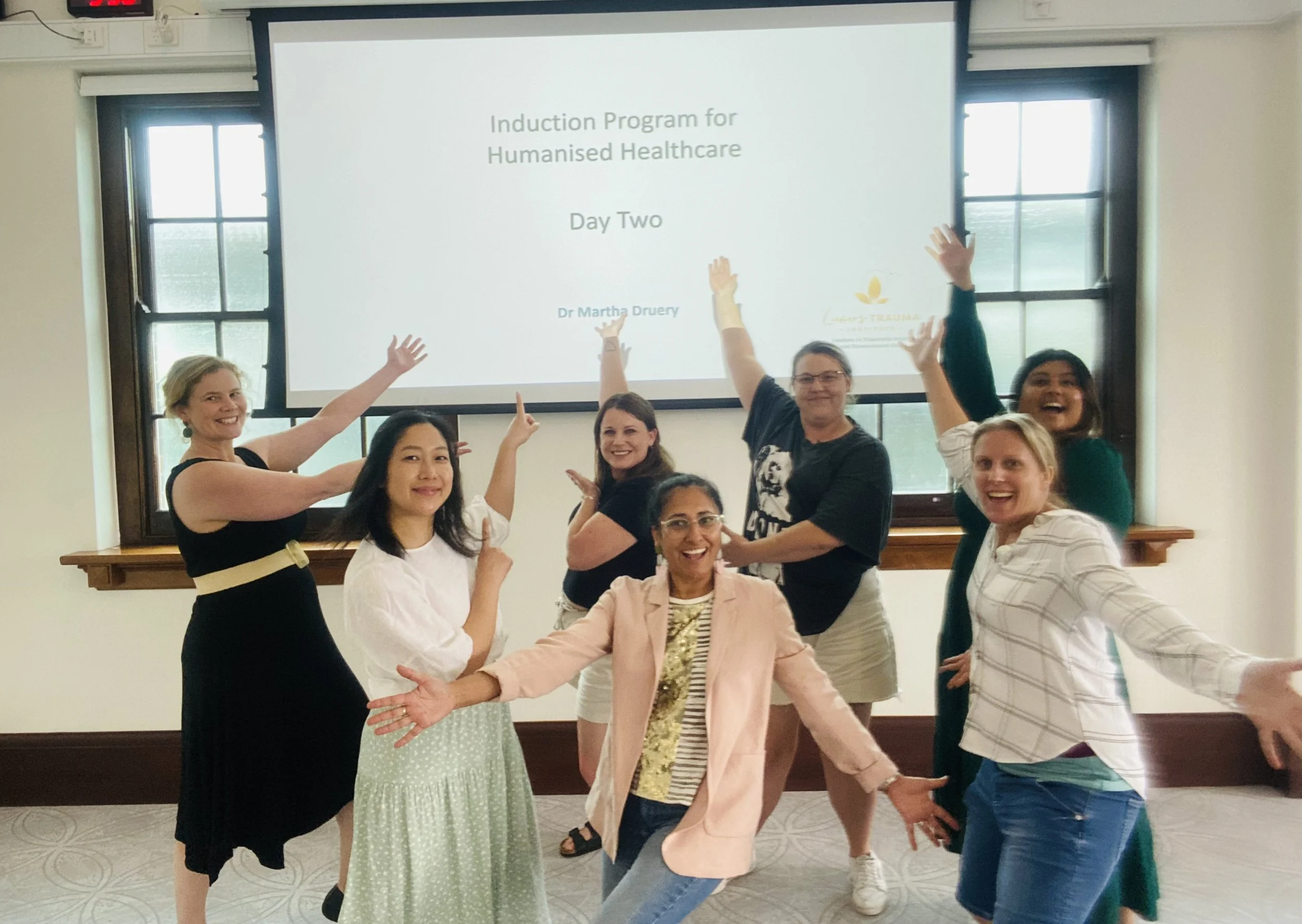
Then, after Covid hit, the ICU family braced for the unknown. I started getting calls asking me to put together wellbeing resources so the system would be ready. Over the next two years, I ran workshops for healthcare practitioners because we were all exhausted and needed self-care so we could continue to care for others.
My strategies and toolkits came intuitively from professional experience or ‘practice wisdom’ at first. But in our profession, everything has to be evidence-based. You don’t just do things because it feels right. So I researched and found that so much of what “felt right” for me had a scientific basis.
I’ve come to call it The Overflow Method and it became a new mission. I want to teach clinicians how to care for patients and their families, yet still care for themselves.
I set out to turn the Method into a Movement.
I’ve taken courses, hired coaches, and paid tens of thousands of dollars. Carolyn and Second 50 helped me to pull everything together as a model and organise a retreat in December. That cost me a lot in time and energy, but the feedback was amazing. I came away feeling confirmed: the Overflow Method has legs.
But I was tired. I’d been trying to build Overflow at night, after counselling six traumatised people during the day. You can’t describe the load on the nervous system of co-regulating with traumatised, injured people. By the end of last year, I was at the point of complete exhaustion. I thought some time off in January would recharge me, and then my Dad had a heart attack.
Something is shifting for me. I’ve always been someone who had to be the saviour of the world: speak at international conferences, change the way medicine is done, open people’s hearts to being caregivers, and now save caregivers from themselves. The bigger the platform, the better. I have been so driven. Obsessed.
I can do incredible things if I just keep going. But now I’m having the courage to tell myself the truth.
I need to breathe. I need to sit and look out at the water at night. I need to carve out more time for myself. I need my Mum to teach me how to sew, while she still can.
It’s easy to say, but very hard to do, especially when the need of people is great and my heart is pulled to all the suffering in the world. The sense that “if I can do it, I should do it” is so strong. And then there’s the question of who I become if I step away from the crusader part of me.
But I realise I’m not walking the talk, not living congruent with my own Overflow teachings. The friction of that has become too uncomfortable for me. I’m putting down my struggle to spread the Overflow method, at least for now, and for the first time in my life, my goals are not mission or project related.
I’m stepping back from doing what other people need and focusing on what I need for a while. I feel like I’m gathering intelligence. What happens when you’ve got that drive to help and you don’t know if you can trust yourself to take care of yourself?
Part of me will always be a crusader. I want to convince people to be kinder to others and to themselves, using the language of logic, science and physiology. But for now, I’m learning to be kinder to myself.
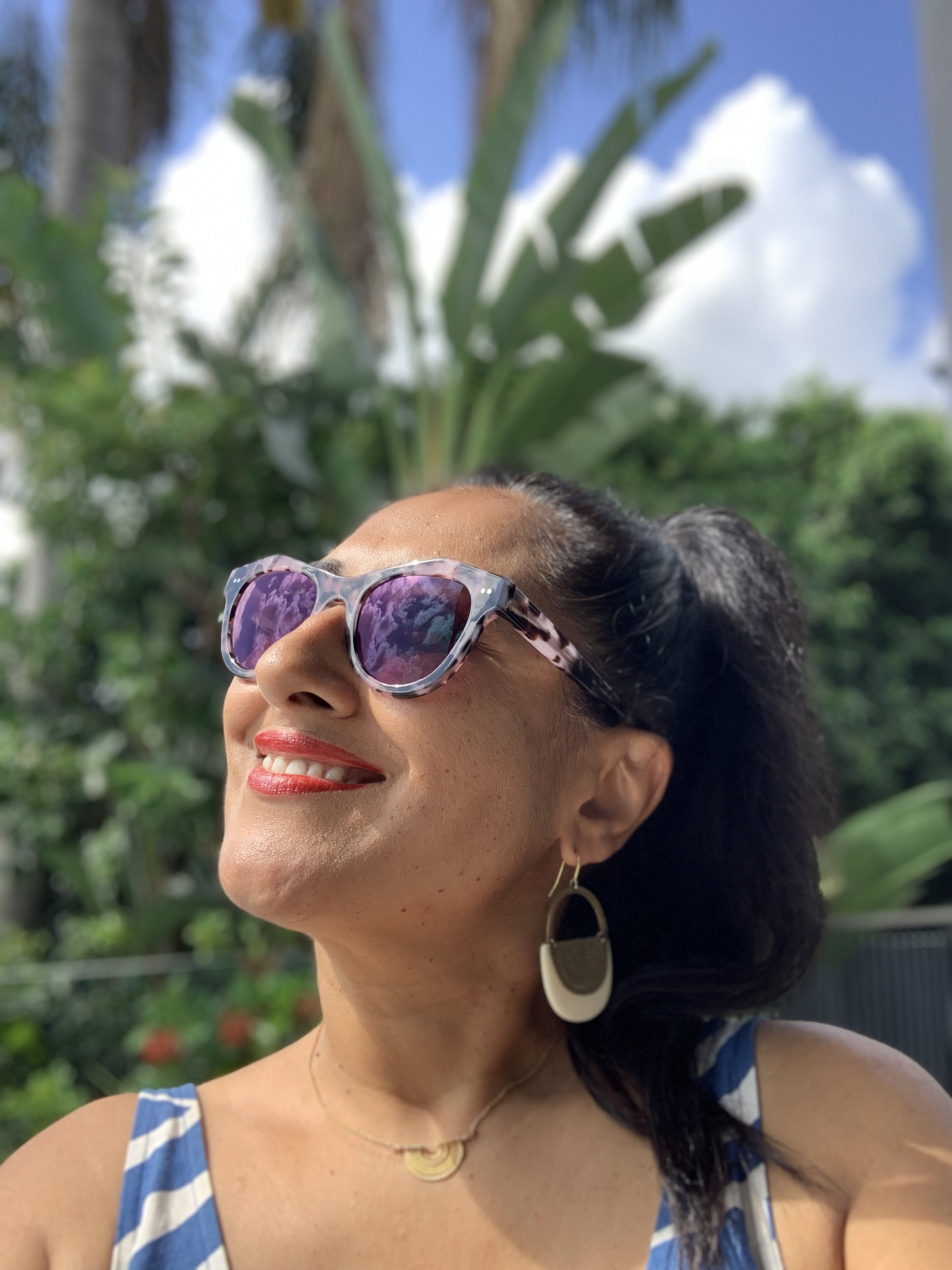
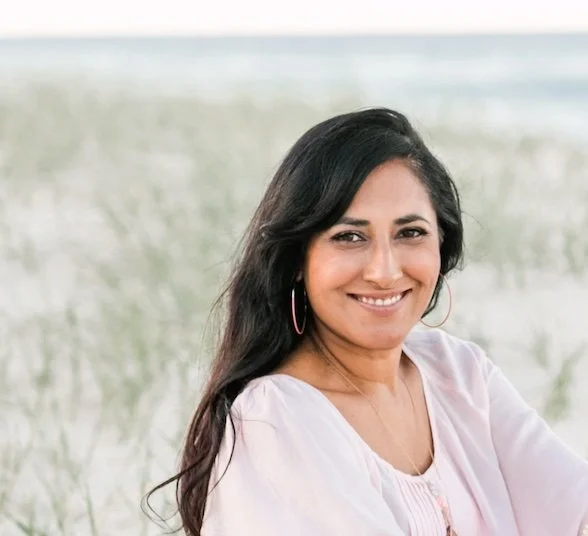
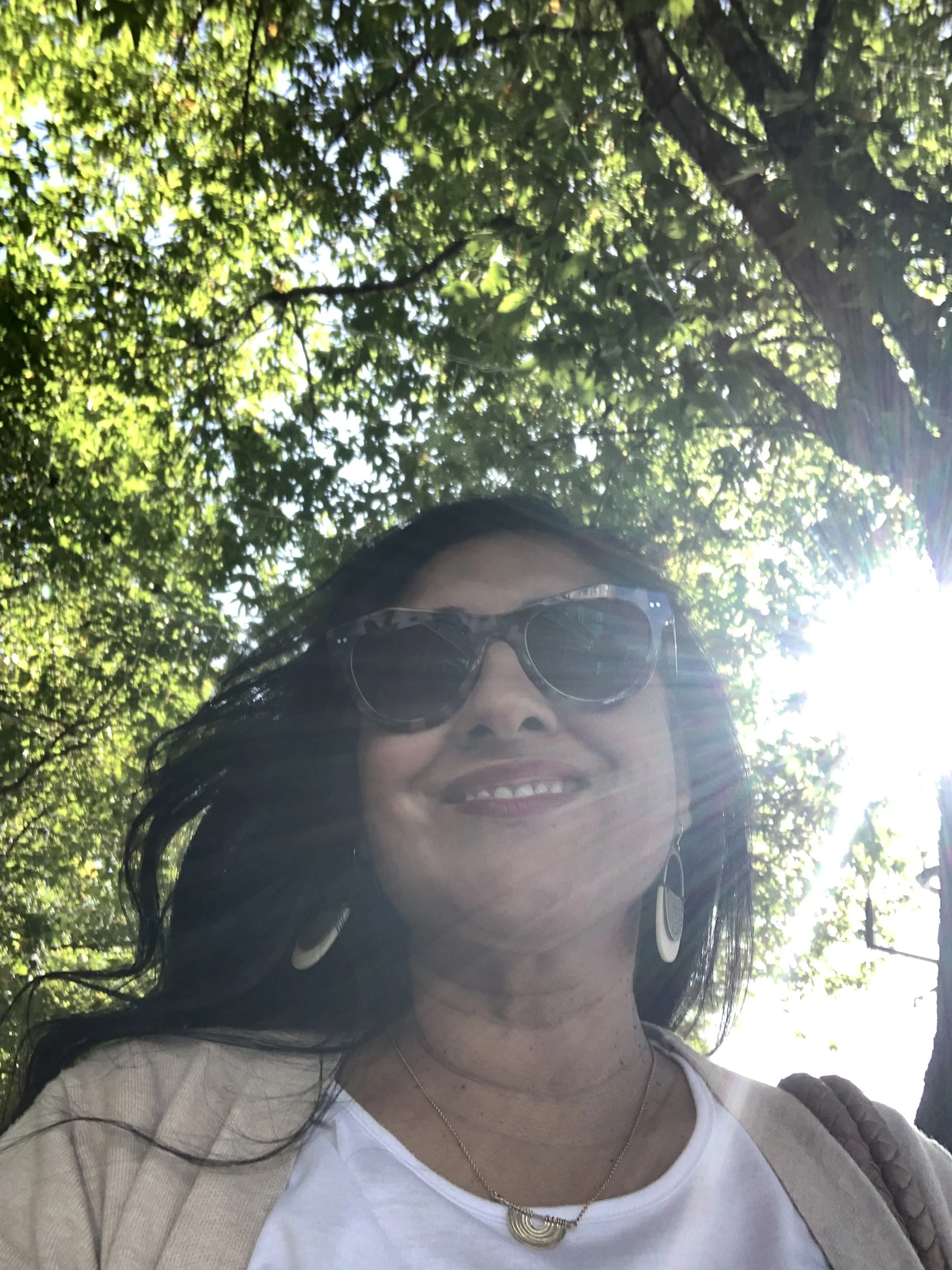
Photographs provided by Martha Druery
Want to know more?
To find out more about Martha’s practice helping people to heal in their darkest times, visit Lumos Trauma Institute. You can find out more about Martha’s Overflow Method here.